
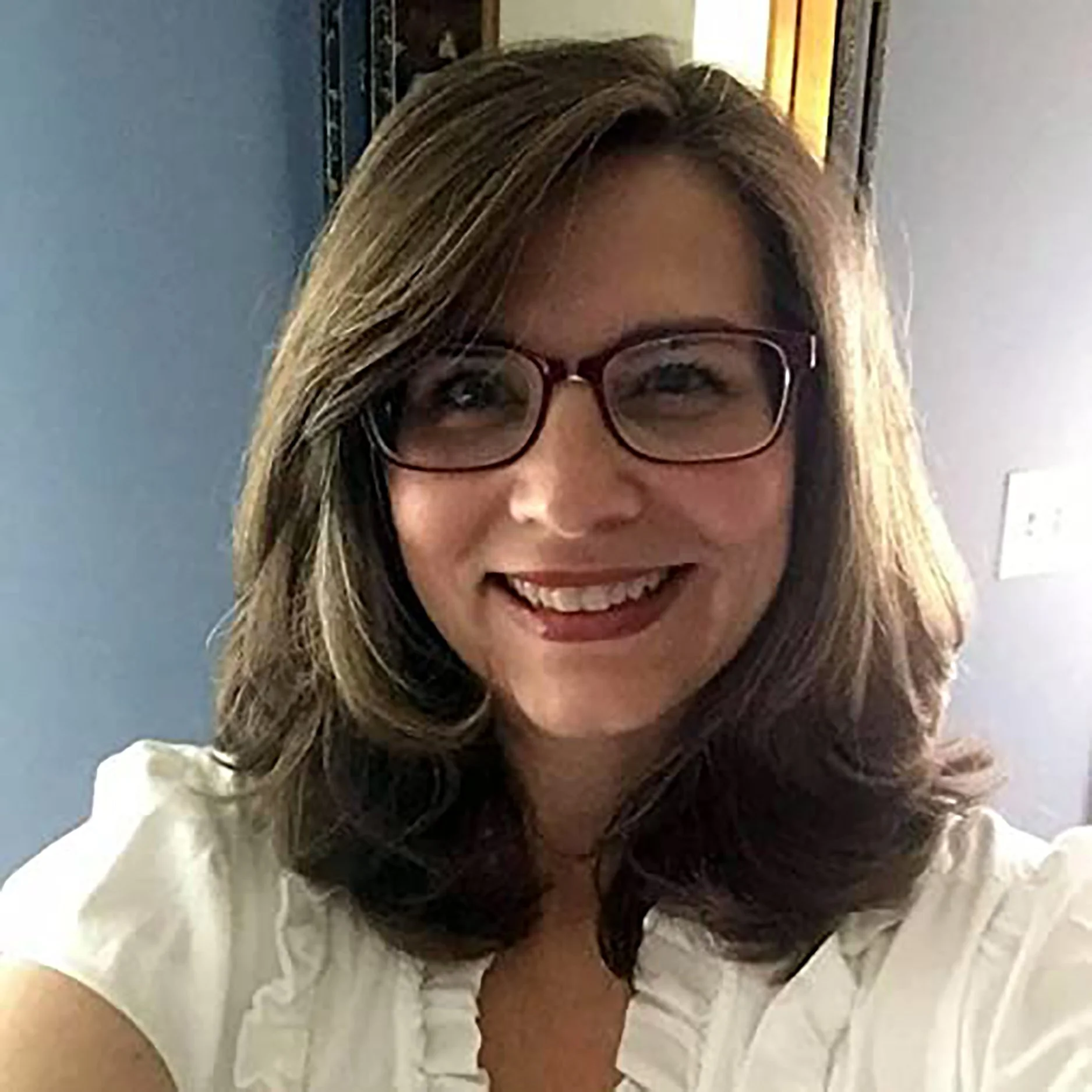
Patti Lee
Patti Lee began writing in February 2019 and quickly discovered she had a lot to say. Her essay Inadvertent Life Lessons took first place in the Writers Workshop Hard Times Essay Contest, and her writing has appeared in several anthologies. In 2022, she signed with RockHill Publishing, and her debut novel, Between February and November, went on to win First Place in the Firebird Book Awards for fiction. Her newest novel, Tanya, We Have A Problem, received a Bronze Award in the Women’s Sleuths category at the Global Book Awards.
A member of the Authors Guild, Patti lives in Vermont with her husband. They’ve been married since 1988, and their household includes four cats, two dogs, and a growing collection of spreadsheets. When she’s not writing or playing with her grandkids, she serves as executive director of a small nonprofit.
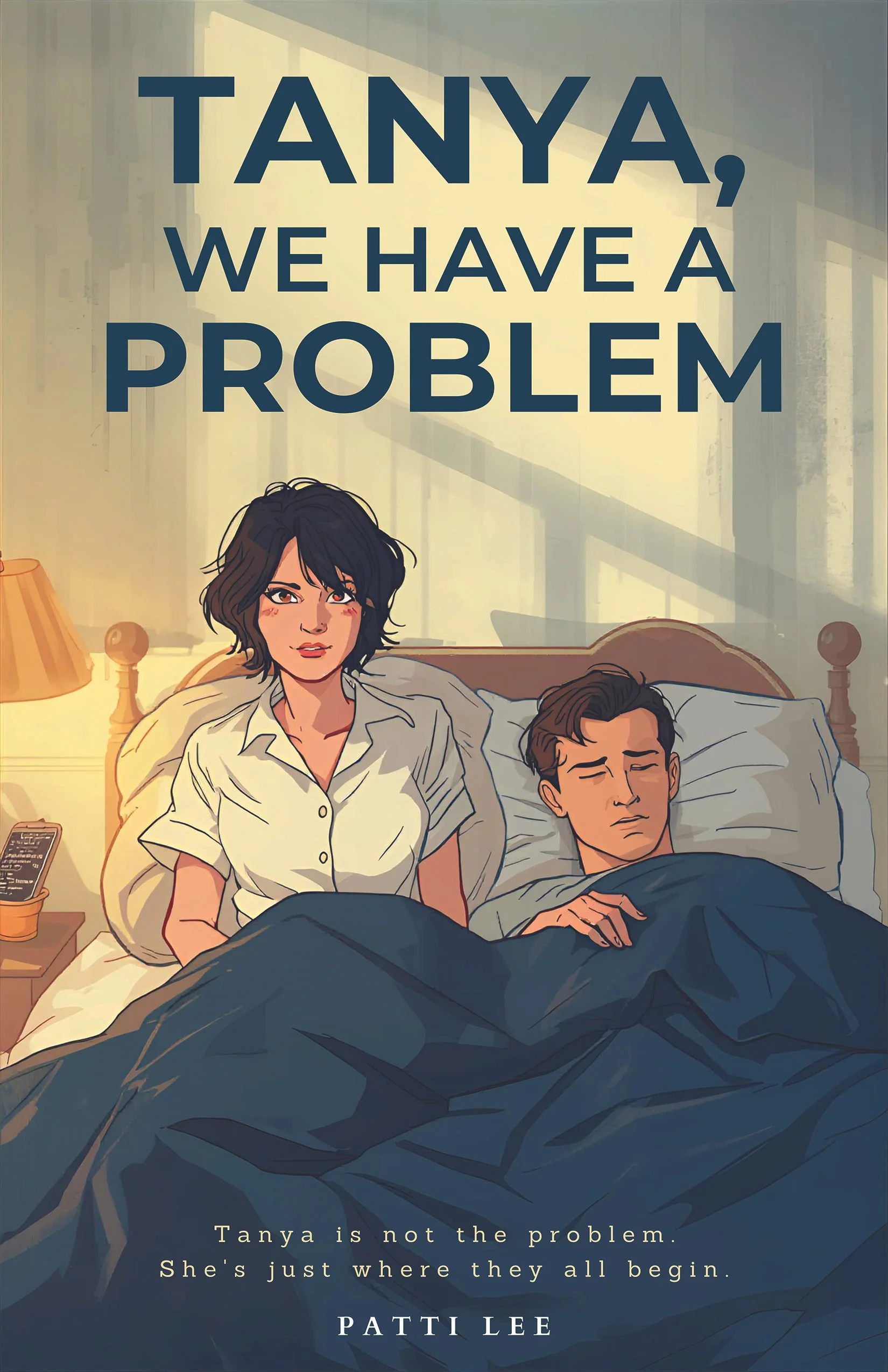
Marina Raydun: Congratulations on the release of Tanya, We Have a Problem! What inspired you to create Tanya and tell a story about marriage, mistrust, and the hilarious consequences of jumping to conclusions?
Patti Lee: I’ve been married since 1988, and my original intention was to write a story about how a long-married couple can sometimes get on each other’s nerves and take each other for granted. I intended to make light of the little things that might aggravate a couple, like leaving your coffee cup a few inches from the sink or dishwasher, or letting your laundry pile up. Once I started writing though, as it happens with me, the characters had other ideas.
MR: Tanya’s life is already chaotic before she decides to investigate her husband. What was it about her personality that made you think, “I want to spend an entire novel with this woman”?
PL: Tanya is actually a pretty complex character who has an interesting way of seeing the world. I think there is a little Tanya in all of us. People have asked me if I based Tanya on myself, and I laugh to myself because Tanya and I are very different in many ways.
MR: The book sounds like it balances humor with some very real issues surrounding marriage and relationships. How do you use humor to explore subjects that can sometimes be uncomfortable or painful?
PL: I don’t necessarily think I used humor to explore subjects so much as provided some comic relief during some of the serious moments. Whether it’s through some slap-stick comedy, or children speaking their minds the way only a child can, or an animal stealing a scene - I tried to balance the serious issues in the book with humor because that’s life, right?
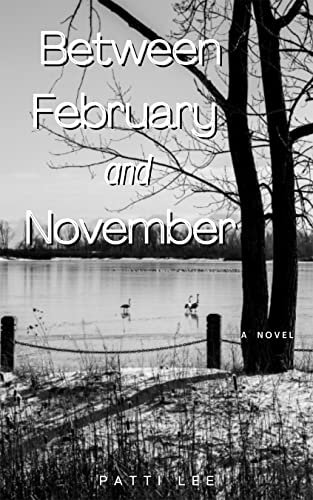
MR: Tanya and Layla, the protagonist of Between February and November, both find themselves questioning their marriages. What draws you to exploring the complicated realities of long-term relationships?
PL: Given my own long-term relationship, I think it’s natural to explore the things that can affect a marriage. I write about things that can happen to anyone, and though all of the events in my books may not have happened to me personally, things I’ve written about have happened to someone somewhere and I want to tell their story in a way we can all relate.
MR: You’ve been married since 1988. Has your own experience of marriage influenced the way you write about relationships, or do you deliberately keep your fictional marriages separate from your own?
PL: Having been married so long, there are bound to be experiences I have first-hand knowledge of and write about. It’s harder to get the male perspective in the marriage, but my own perspective has been sprinkled here and there in both Tanya and Between February and November.
MR: You describe yourself as someone who loves spreadsheets and lists. Do you ever approach writing the same way—mapping things out and organizing everything—or do your characters tend to take over and create their own chaos?
PL: Oh my gosh – I would love to be an organized writer. It’s just not the way it happens for me. I start with an idea, or a way I think a story should end, and then I start writing and the characters really decide where the story goes. As a matter of fact, I started writing Tanya first and ended up writing about Layla, Allen, and Mel from Between February and November because I couldn’t get them out of my mind – I knew I wouldn’t be able to give Tanya the energy she needed, so I shelved her until I finished Between February and November.
MR: You’re part of the #5amwritersclub. What does a typical writing session look like for you, and what do you find yourself thinking about when you’re driving, walking, or doing something completely unrelated to writing?
PL: When I’m in the writing groove, I’m all the way in it – it’s almost a compulsion and nothing else matters. When I was writing Tanya and Between February and November, I would write from 5 AM to 7 AM, go to work, and then write after work, often until 11 PM or later. I think writers are always thinking about writing – characters, places, events, what kind of drama can unfold – there’s a story in everyone I see or talk to.
MR: Was there a particular moment in your life when you first realized that language has value or power—that the right words could make someone laugh, hurt someone, change someone's mind, or tell a story that stays with them?
PL: I don't know that there was one particular moment. I think I really started to understand the power of language when I began writing seriously after I turned 50. You can change one word and suddenly a sentence feels completely different. And then you hear from a reader that something you wrote made them laugh, made them cry, or stuck with them after they put the book down. That's when you really get it. Words can do a lot more than tell a story.
MR: Your characters often find themselves confronting uncomfortable truths about the lives they thought they understood. Do you think fiction can sometimes help us recognize truths about our own lives that we might otherwise avoid?
PL: I absolutely think fiction, reading or writing, helps us better understand ourselves, our relationships, and the world we live in. Writers have the power to recreate experiences and make them better or worse, depending on how it fits in the story. Readers get the benefit of what the author shares, whether it’s a lived experience, a shared experience, or second-hand experience.
MR: After writing Between February and November and now Tanya, We Have a Problem, what have you discovered about yourself as a writer—and what kind of story would you love to challenge yourself to tell next?
PL: I carry a fair amount of imposter syndrome and for me to answer a question about what I’ve discovered about myself as a writer, part of me wants to look around in disbelief and ask, “are you talking to me’? I’ve written two books and still have a hard time calling myself “a writer”. Ultimately I think I’ve recognized my perseverance as a writer. Finding, or really making, the time to write is hard. Writing itself is hard. Querying agents and publishers is hard. Selling yourself, your brand, your book, is hard. And I did it anyway. As for a story that would challenge me, I think a psychological thriller or suspense novel would be challenging. I actually went out on a limb and recently started writing a psychological thriller, and boy, it got dark pretty quickly! Writing about the darker things in life affected me in a way I didn’t expect. I’m not sure where the story will go, and I’m looking forward to finding out.
Learn more about Patti and her writing at pattileewriter.com. She can also be found on Facebook at @PattiLeeAuthorPage and Instagram at @authorpattilee.