Author Interview-Doug Lawrence

Doug Lawrence is an International Certified Mentor and holds two Mentor Certifications; Certificate of Competence – Mentor and the Certificate of Competence – Journey Mentor from the International Mentoring Community. Doug is the only one to hold the Certificate of Competence – Journey Mentor in the world today.

Doug served in the Royal Canadian Mounted Police (RCMP) for 25 years retiring in February of 1999 at the rank of Staff Sargent. 

Doug has been involved in the certification of mentors since 2009 when he first partnered with an organization to provide mentor certification based on knowledge. Doug has now partnered with an expert in certification to provide a certification for mentors based on competence. 

Doug is a volunteer mentor with the Sir Richard Branson Entrepreneur Program in the Caribbean and with the American Corporate Partners in the United States working with military personnel in their transition from military life to civilian life. He also works with Futurpreneur in Canada to provide mentorship to entrepreneurs. His approach in all of these situations is to be mindful of their mental well-being and to work with them to find solutions that best suit their needs.

Doug’s Practice of Mentoring continues to grow and has resulted in his accumulation of 2,200 hours of mentoring (in person and virtual), 235 hours of speaking opportunities and 672 hours teaching others how to effectively mentor. He is recognized as a thought leader in the mentoring space.

He has been working with researchers to examine the role of mentoring as a support for those struggling with Post Traumatic Stress Disorder (PTSD). His experience in law enforcement coupled with working with people as a mentor who are suffering from PTSD has afforded him a unique view of mentoring and PTSD. His personal story is one that is compelling and it fuels his passion about wanting to help others.

Doug is a firm believer that mentoring begins with a person’s personal growth thereby helping to remove any obstacles or barriers to their professional growth and career development. As Doug has found, some of those barriers can be mental health and mental well-being challenges.

“You are Not Alone” came from the all too often stigma of people being afraid to ask for help, afraid to step out of the closet and say, “I need help”.  Afraid to extend a hand to say, “it’s okay I will go with you on this journey.”

“You are Not Alone” came from cry for help and increased anxiety and depression from having to wait far to long for treatment and to begin a healing journey.

 This book provides a solution to that problem.

Marina Raydun: What inspired you to write You Are Not Alone?

Doug Lawrence: The book came from conversations with many people over their mental health and the mental health of close family and friends. There was a lot of discussion surrounding the loss of a loved one who had taken their own life and what could have been done to prevent that. We collectively recognized that there was a gap and the work that I was doing in the mentoring space was seen as something that could be a part of the support structure for mental health and mental well-being.

MR: How is mentoring different from therapy?

DL: One of the significant differences between mentoring and counseling/therapy is the relationship that is established. A mentoring relationship is informal, meetings are in various settings, and the duration is typically long term. A counseling/therapy relationship is formal, sessions are typically in a therapist/counselor’s office, and the duration is usually not as long term as a mentoring relationship.

Another difference is the value of the advice provided. A mentor’s advice is well received on a personal and holistic level because of personal familiarity and professional admiration. A therapist/counselor’s input is respected due to training and how their expertise has helped other patients.

Mentoring is a two-way trusted relationship where the mentor and mentee learn and grow together on a personal and professional basis.


MR: In the everyday world, what role do you see mentoring taking?

DL: It plays a huge role in the development of current and future leaders in organizations and in communities. It plays a role in the support structure for mental health and mental well-being. Mentoring can create a positive work culture resulting in engaged employees, lower attrition/higher retention, and higher productivity.

MR: What is the first book that made you cry?

DL: Butterfly Kisses & Bittersweet Tears by Bob Carlisle.

MR: What does literary success look like to you?

DL: Success for me is when a reader comes up and says thank you. Your stories made me realize that I need to do things differently. I had some readers say to me with my first book that when they read it, it was like me sitting on a park bench and I was reading the book to them. I had built a relationship with them through the book. That is success to me.

MR: What is the most difficult part about your writing process?

DL: Dedicating time to write when I am in my most creative time slot. I definitely need time away from day-to-day stuff in order to properly concentrate on writing.

MR: What is your favorite genre to read?

DL: I remember taking a couple of books by Ken Blanchard on a holiday and finishing them in the first week that I was away. It was Raving Fans and Gung Ho both of which were leadership books but were done by delivering a story.

MR: What are you currently reading?

DL: Relax, Dammit by Timothy Caulfield

MR: If you could have drinks with any person, living or dead, who would it be? Why?

DL: Barack Obama. He is an inspiring speaker and draws you into the story that he is telling. He is a great story teller. He is a great leader as well.


MR: What did you edit out of your book?

DL: It was more modifying than editing material out of the book. I wanted to make sure that the lived experiences were relevant to my readers.

For more on Doug, please visit the following:

LinkedIn: www.linkedin.com/in/douglawrence-mentor

Facebook: https://www.facebook.com/doug.lawrence.1610

Twitter: @TalentCDoug
Reading in 2021

Personal best, reading-wise! 20 books! If I were a person with any kind of influence, I would totally be asking to be the face for Audible because, OMG, without it, I’d never read anything! My goal was 10 books and I read twice as many. Lesson? Keep those goals and expectations low and you’ll surprise yourself! Right?! Right…

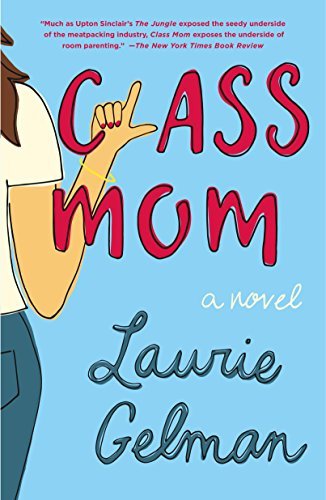
  1. Class Mom by Laurie Gelman

    Perhaps not the most literary of starts to the year but it was a light and fun read. There are more volumes in this series. I’m not yet sure if I’ll exploring those but I might!

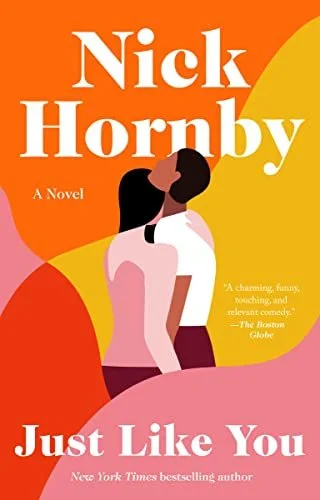
  2. Just Like You by Nick Hornby*

    A big fan of Nick Hornby, I was disappointed in this one. There were some keen observations of society and politics but the characters fell flat and hardly developed. There are better ones out there by Nick.

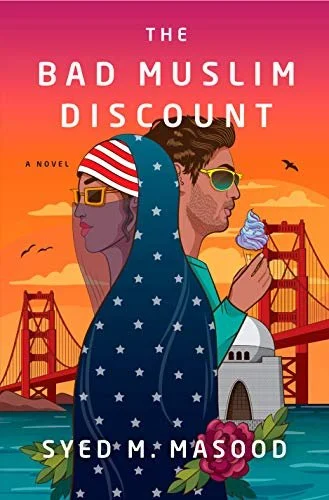
  3. The Bad Muslim Discount by Syed M. Masood

    One of my favorites this year. Talk about honesty and character development! I love immigrant lit mostly because it never ceases to amaze me just how similar we all are despite our background.

  4. Send for Me by Laren Fox*

    Another favorite of the year, this one left me broken-hearted in a fairly literal meaning of the expression. My chest truly ached here-for everyone in this multi-generational WWII drama. Inspired by her own family letters from Germany, the author did an incredible job of fictionalizing members of her family while keeping the original letters intact. Highly recommend!

  5. How to Walk Away by Katherine Center

    It’s obvious how much research went into writing this book. The author does a great job of having us truly feel what the protagonist is feeling here. Unfortunately, the plot became predicable in the “all a girl needs is a boy” way. Solid 3 stars though.

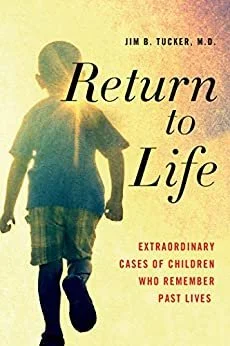
  6. Return to Life by Jim B. Tucker

    If you have any interest in past life stories, this is the one for you. Dr. Tucker is quite an authority when it comes to children’s past lives memories. A fascinating read rooted in scientific approach and study.

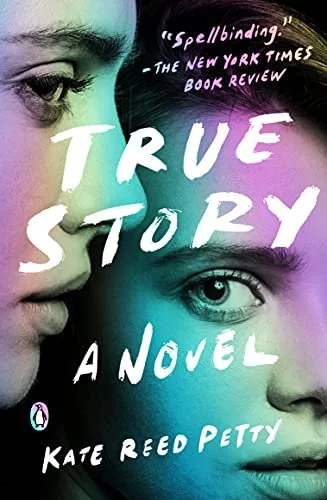
  7. True Story by Kate Reed Petty

    A good novel touching on MeToo involving an unreliable narrator.

  8. Good Neighbors by Sarah Langan

    What a good novel! Painful and gut-wrenching but so good! It’s like the author puts up a mirror to your face and forces you to look. Highly recommend.

  9. Dominicana by Angie Cruz*

    I love immigrant lit (as I seem to mention every chance I get) so this was a no-brainer of a selection for me. Set in Washington Heights, NYC during the 1960s, this novel was a fascinating trip back in time.

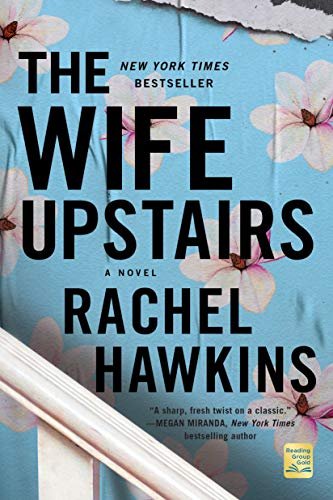
  10. The Wife Upstairs by Rachel Hawkins

    An entertaining suspense read. I didn’t see the final twist coming, which is always fun.

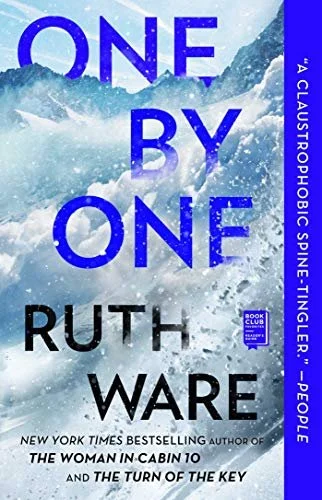
  11. One by One by Ruth Ware

    A very engaging thriller. Very Agatha Christie. Recommend.

  12. A Good Marriage by Kimberly McCreight*

    I didn’t like Kimberly McCreight’s first novel so I was a little hesitant to read this one. But no worries-this one managed to surprise me in the best of ways. I truly enjoyed it and, as opposed to totally transparent revelations in the author’s first novel, this one had me guessing.

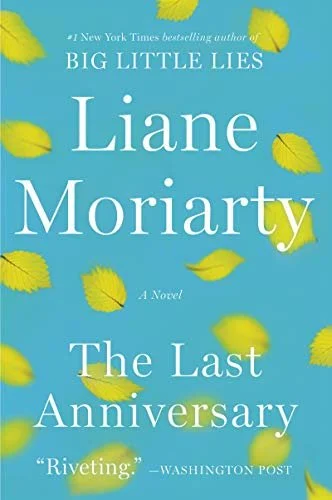
  13. The Last Anniversary by Liane Moriarty

    When in doubt, go with Liane Moriarty. The lady never disappoints. The characters are so distinct and crystal clear. Highly recommend.

  14. The Night Swim by Megan Goldin

    A solid novel but very thick on making a point to be on the right side of MeToo. Some parts of very triggering so you’ve been warned.

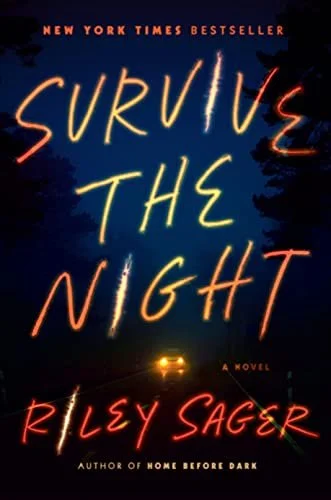
  15. Survive the Night by Riley Sager

    Unfortunately, this book was the biggest disappointment of the year for me. I love Riley Sager’s books, and was eagerly awaiting this one, but it did not live up to the author’s reputation. It almost felt like it was written simply because he was on a deadline and had to produce something regardless of inspiration and quality.

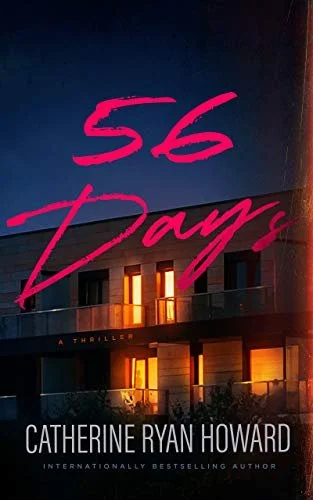
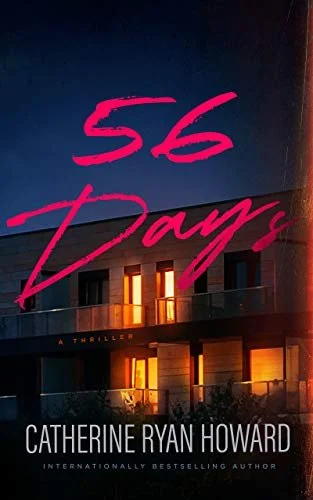
  16. 56 Days by Catherine Ryan Howard*

    Totally one of the faves this year! Talk about putting lockdown to good use and writing a killer novel! Highly recommend.

  17. Apples Never Fall by Liane Moriarty

    Two Liane Moriarty’s books in one year is what I call awesomeness. Again, Liane excels at character development without sacrificing the plot, so this one, too, was a thrill to read.

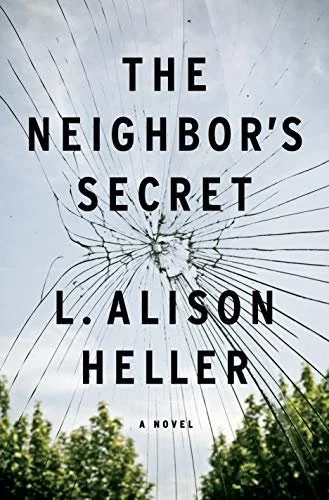
  18. The Neighbor’s Secret by L. Allison Heller

    A fun read reminding us that we just never know our friends and neighbors the way we think they do. As a parent, I found some parts a little difficult to read, but these are important questions to ask yourself.

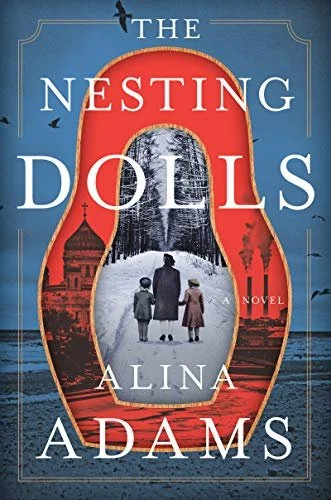
  19. The Nesting Dolls by Alina Adams*

    Should I say immigrant lit again?! Loved it! Multi-generational family drama is illuminating and helpful in my own immigrant universe. Highly recommend.

  20. Memoirs and Misinformation by Jim Carrey and Dana Vachon

    It’s hard to give this one a rating. Jim Carrey is undeniably a genius, and I am simply not worthy of being inside his brain. The book is profound in its observations, poignant in its reflections. Some of it is absurd, some of is funny. A one-of-a-kind read, that’s for sure.

    Currently, I’m reading A Fall of Marigolds. I’m not sure if I’ll have enough time during this busy time of year to finish it before 2022 but so far, I’m enjoying the Ellis Island setting. Immigration history has always been of interest and passion for me, and I’ve been toying around with an idea for a novel tying in multi-generational immigration history, but I must finish my YearOne project (my quasi-memoire about my first year in America) before distracting myself.

    Let us know what you read this past year. Any faves? Any fun recommendations? Please share.

    Legend: * MR BOOK CLUB official selection. Please join us! We meet on zoom every other month.

    We wish you lots of health and happiness this upcoming year. We need a break from life, don’t we?! We deserve it! So we wish you lots of satisfying reads in 2022!

Author Interview-Zachary Hagen

Zachary Hagen

ZACHARY HAGEN is an Albuquerque based author and teacher. Writing has always been a passion for him since he was little kid when he put together little books from scrap paper. The earliest story he remembers writing was about a dragon who gave flowers to children. He also teaches creative writing to his students and loves to see their talents flourish. When he isn’t working hard at his two passions, he enjoys spending time with his wife and dog and making music any way he can.

Marina Raydun: Besides crafting your own stories, I know that you also teach creative writing. Does one ever inspire the other?

Zachary Hagen: So far it really hasn’t, but I won’t say that it’s not a possibility. I have only taught high school and middle school so far, so often I’m focusing on basic craft type things. However, I think it’s entirely possible for teaching to inspire because it has done so in other electives I’ve taught.

MR: Why fantasy?

ZH: People tend to look down on fantasy in some circles, but for me, magic and fantastical ideas are the realest things we can write about. Our world is full of unexplained things, so I like to lean into that.

MR: Is it also your favorite genre to read?

ZH: Much of the time it is, but I will say I’ve branched out more as I have begun writing more fantasy. I like variety.

MR: If you could tell your younger writing self anything, what would it be?

ZH: “Finishing a book is 90% showing up. You have ADHD, so if this is important to you, you don’t get the luxury of feeling like writing every time you need to write.”

MR: What does literary success look like to you?
ZH: Ideally, writing and the stuff around it will provide me with enough income to only have a day job if I’m 100% passionate about it. I don’t want to show up to work and think to myself, “I’d rather be editing” or something like that.

MR: What’s your favorite childhood book?
ZH: The Lion the Witch and the Wardrobe. I love that story, and C. S. Lewis was a master of storytelling.

MR: What are you currently reading?
ZH: The Dark Prophecy by Rick Riordan. I have always been fascinated with Greek/Roman mythology, and I’ve learned a lot of obscure things by reading Riordan’s work. I’d love to chat with him about his research methods sometime.

MR: What book do you wish you had written?
ZH: I think, as a fantasy author, the obvious answer would be Harry Potter, but I wish I’d written the Hunger Games. It took me a while to pick them up, but I devoured them. It was the first time I remember staying up all night to finish reading something.

MR: Is there a thing you’ve written that makes you cringe now?
ZH: I’m so glad it’s lost to the annuls of digital history and lost in a forgotten hard drive. I tried to write a story about a magical pencil that transported the MC into Disney cartoon land. Looking back, it was truly awful.

MR: Who is your literary hero?

ZH: C. S. Lewis. There are so many interesting things about that man that I can’t help but admire him.

When you lose family, friends, and country, how far is too far? Elior watched as his twin brother, the only real family he had left run into a building as it disappeared. Nyx, a cursed merman, watched as his father and best friend were killed in front of him. Opal’s father died leaving her with a legacy to live up to and a throne to protect. When they join forces with a wise professor to find the Well of Eternity, can they find answers to their problems? Can the ancient evil lurking in the shadows of society be stopped before it’s too late, or will blood be spilled killing their hope and dooming Lux Terra forever? Eternity’s Well will hook you from the very beginning and take you on a spellbinding, breathtaking journey through a new world where anything is possible.

Read Zachary’s books here

Author Interview Series-Jenna Greene

Jenna Greene

Jenna Greene is a teacher and author, whose hobbies include dancing, dragonboating, and napping. Her novel, Reborn, won the 2019 Moonbeam Children’s Book award.

Marina Raydun: So what came first-creative writing or teaching middle school? Does one job inspire the other?

Jenna Greene: I started scribbling down the pages of my first novel when I was seventeen, which meant I was a YA at the time I first penned a YA story. The idea of writing an adult character never occurred to me, nor did it interest me. As my writing career developed, so did my teaching career, and I spent nearly 14 years teaching teens and pre-teens, as well as being immersed in literature aimed at the same age group. My worlds worked together.

MR: What is it about the young adult genre that inspires you? Would you consider trying your hand at other genres?

JG: There are things you can do in YA literature that you cannot get away with in all genres. There is a creativity and acceptance of the ‘possible’ that youth will accept. That being said, I have now moved to teaching younger students and also have a young daughter. Thus, early literacy has begun to fascinate me. I have released my first picture book, titled “Winston, the Well-Dressed Wombat.” 

MR: What is your favorite genre to read?

JG: I jump around a lot. For months, I’ll fall in love with historical romance, and then I’ll shift to non-fiction. My first love is YA fantasy, both as a reader and writer, though.

 MR: What is the first book that made you cry?

JG: I can’t remember the first book that made me cry, but I can recall a few that made me weep for a length of time. Bridge to Terabithia was a struggle to read, but A Monster Calls hit me in the gut because I read it shortly after my mother passed away from cancer.  Of course, I yell at characters a lot – they never listen to my advice!

MR: What’s your favorite childhood book?

JG: My She-Ra: Princess of Power books. I was a remedial reader and found that my passion for She-Ra inspired me to keep trying because I wanted more exposure to the magic of that world. (This may be the reason for my love of fantasy too...)

MR: What literary character is most like you?

JG: Um...oh! Who do I want to be like? (Elizabeth Bennett). Who do I connect with? (Rip Van Winkle – I always need a nap). 

MR: Who is your literary crush?

JG: Well, if you read the answer to the above question, it should be no surprise that my response is Mr. Darcy.

MR: Who is your literary hero?

JG: Ha ha. This is getting predictable. Elizabeth Bennett of course. And Charlotte Doyle from Avi’s adventurous tale “The True Confessions of Charlotte Doyle.” (Best. Book. Ever.)

 MR: Is there a book that people might be surprised to learn you love?

 JG: Maybe some of the non-fiction I’ve read (Into Thin Air), or really just how eclectic my tastes are.

 MR: Is there an illicit book you had to sneak growing up?

 JG: I used to read my mom’s romance novels when we were camping in the middle of nowhere and I ran out of my own reading material to peruse. But she wasn’t one to sanction my reading habits, so I guess it wasn’t truly illicit.

Winston the Wombat loves to share what he knows,

how to clothe all his friends wherever he goes.

Take a fun little journey with Winston to see, all the

dressing suggestions he gives out for free.

To learn more about Jenna, please visit her website: https://www.jennagreene.ca/

Book Review: A Good Marriage: A Novel by Kimberly McCreight et. al.

Book Review: A Good Marriage: A Novel by Kimberly McCreight et. al.

Lizzie Kitsakis is working late when she gets the call. Grueling hours are standard at elite law firms like Young & Crane, but they’d be easier to swallow if Lizzie was there voluntarily. Until recently, she’d been a happily underpaid federal prosecutor. That job and her brilliant, devoted husband Sam—she had everything she’d ever wanted. And then, suddenly, it all fell apart.

Author Interview Series-JP McLean

JP McLean

JP (Jo-Anne) MCLEAN writes urban fantasy and supernatural thrillers which have received honorable mentions from the Whistler Independent Book Awards and the Victoria Writers Society. Reviewers call her books addictive, smart, and fun. Her work includes endorsements from award-winning and best-selling authors, E.E. Holmes, Jennifer Manuel, Elinor Florence, Jennifer Anne Gordon, and Eileen Cook.

JP is a graduate of the University of British Columbia’s Sauder School of Business. She is a certified scuba diver, an avid gardener, and a voracious reader. Raised in Toronto, Ontario, JP lived in various parts of North America before settling on Denman Island on Canada’s west coast, where she now lives with her husband. When she’s not writing, you’ll find her cooking dishes that look nothing like the recipe photos or arguing with weeds in the garden.

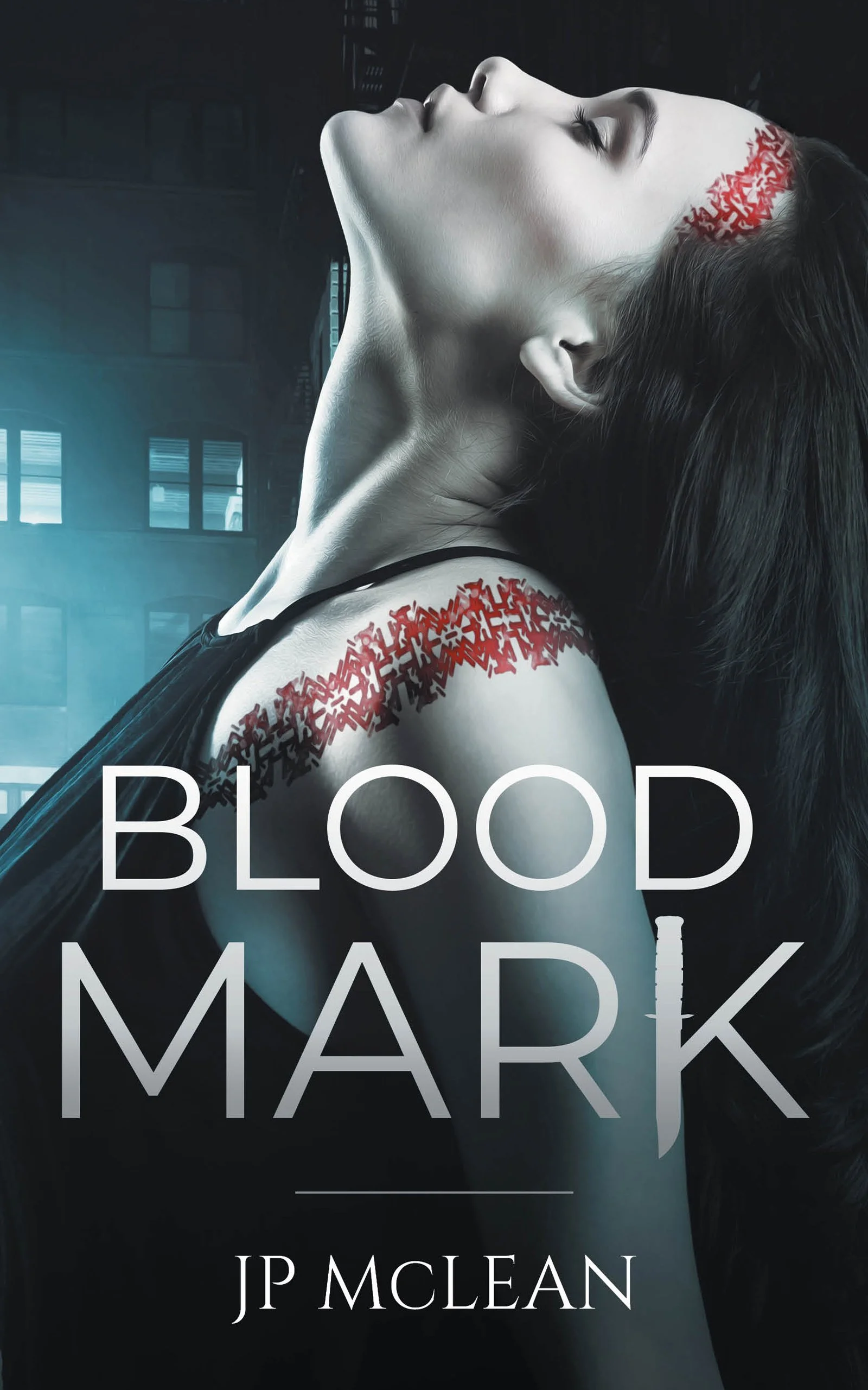
Marina Raydun: Truth be told, I'm not a big fan of the supernatural genre but I'm hooked even reading the blurb of Blood Mark. Can you talk to us a little bit about the inspiration for it?

JP McLean: Blood Mark came to me in fits and starts. The first inkling of a story idea was inspired by the opening scene in Blind Spot. https://www.youtube.com/watch?v=_HnJbKP9JMQ It shows a bomb squad tech approaching an abandoned duffle bag in Times Square. Emerging from the bag is a woman covered in tattoos from the neck down. The woman doesn’t remember who she is or how she got the tattoos. I wondered what it might be like to have to live with those markings. That was the seed for Blood Mark, and I developed it from there.

MR: Is there anything you edited out of this novel?

JP:  Yes. I haven’t yet written a book that doesn’t lose something in the editing process. At least this time it wasn’t a character. In Blood Mark, it was a complicated set of door locks that I’d woven into the narrative. My aim had been to find a clever way of locking a door so that each day a different combination of deadbolts would be locked or unlocked, causing an intruder to have to know which ones were engaged, or else risk accidentally locking the ones that had been left open. It turned out to be over-complicated, so I removed all references to it. 

MR: What was the hardest scene to write? 

JP: The climatic fight scene because so much pivoted on getting it right. Jane was in an impossible position: all odds were against her, and she had to pull it off or die. So, I needed to make sure each move she made was realistic and packed a punch. 

MR: Walk us through your daily writing routine.

JP:  My routine varies depending on whether I’m at the planning or the writing stage. When I’m in the planning stage, I’ll sporadically pick away at an outline all day long, adding ideas as they hit me. After I’ve got what I think is a workable outline, I’ll start writing.

When I’m in the writing stage, I’ll settle in each morning and aim to write one scene and the bridge to the next scene. At the end of the session, I’ll make notes to guide me the next day, and adjust the outline if the day’s writing has affected it.

Every day from then on, I start by rereading what I wrote the previous day, tweaking it as I go along, and then I’ll write the next scene and bridge. If I get stuck, I head out for a walk or pluck weeds from the garden. If it’s miserable outside, I might get creative in the kitchen, or tackle an indoor chore—anything to get my mind off the writing for a little while.

In the afternoons, I take care of publicity events like vlogs and podcasts, and marketing-related tasks, like designing social media graphics, writing blog posts, or newsletters.

MR: Have you read anything that made you feel differently about fiction?

JP:  The Chrysalids by John Wyndham is the first book I remember reading that had characters with telepathic abilities. I was just a teenager when I read it, but I remember it was an ah-ha moment for me. Reading became fun, and not something I had to do for school. It’s the first book I “loved.” After that, I sought out books with paranormal or supernatural elements in them, and it’s become my favourite genre.

MR: What’s the best and worst book review you’ve ever received?

JP:  The best book review was from a reader in the UK who’s read all my books and said in one of her reviews that she enjoyed my reading so much, she’d read my shopping list if I let her.

The worst book review came from a reader who found the book to be “a bit confusing in the beginning as it jumps from person to person that made following it a bit weird.” As much as I don’t like getting reviews like that, this one is helpful because it contains critical feedback. If I get more reviews that contain the same critique, I’ll take that into account in my future writing.

MR: If you had to do something differently as a child or a teenager to become a better writer as an adult, what would you do? 

JP: Travel more or learn a second language. I grew up in a family that didn’t travel outside of a small piece of the province I grew up in. And learning a second language would make travel easier and give me access to even more of a country’s culture and people. As an adult, I’ve travelled and lived in other countries, and it’s broadened my appreciation for different ways of thinking and doing. I wish I had even more experiences to draw on and infuse into my writing.

MR: What is your favorite genre to read? 

JP: Supernatural or paranormal books, especially the ones that include thriller elements. 

MR: What book do you wish you had written? 

JP: Victoria Aveyard’s Red Queen. She stuffed that book with more imaginative supe powers than I could ever have come up with.

MR: If you could cast your characters in a Hollywood adaption of your book, who would play your characters?

JP: I need to preface this answer with the caution that I’m not familiar with a lot of actors and haven’t been to a movie theatre in years (I live on a VERY small island). I scoured the internet for these names/faces:

Someone like Krysten Ritter, who I enjoyed in her role as Marvel’s Jessica Jones, would play Jane.

Sadie would be someone like Gabriella Wilde, who is both an actress and an Estee Lauder model.

Ethan would be someone like Dylan O’Brien, who starred in American Assassin. 

Ryan Gosling would fit the role of Rick.

Read JP McLean’s work here.

Author Interview Series-Nicole Fanning

Nicole Fanning

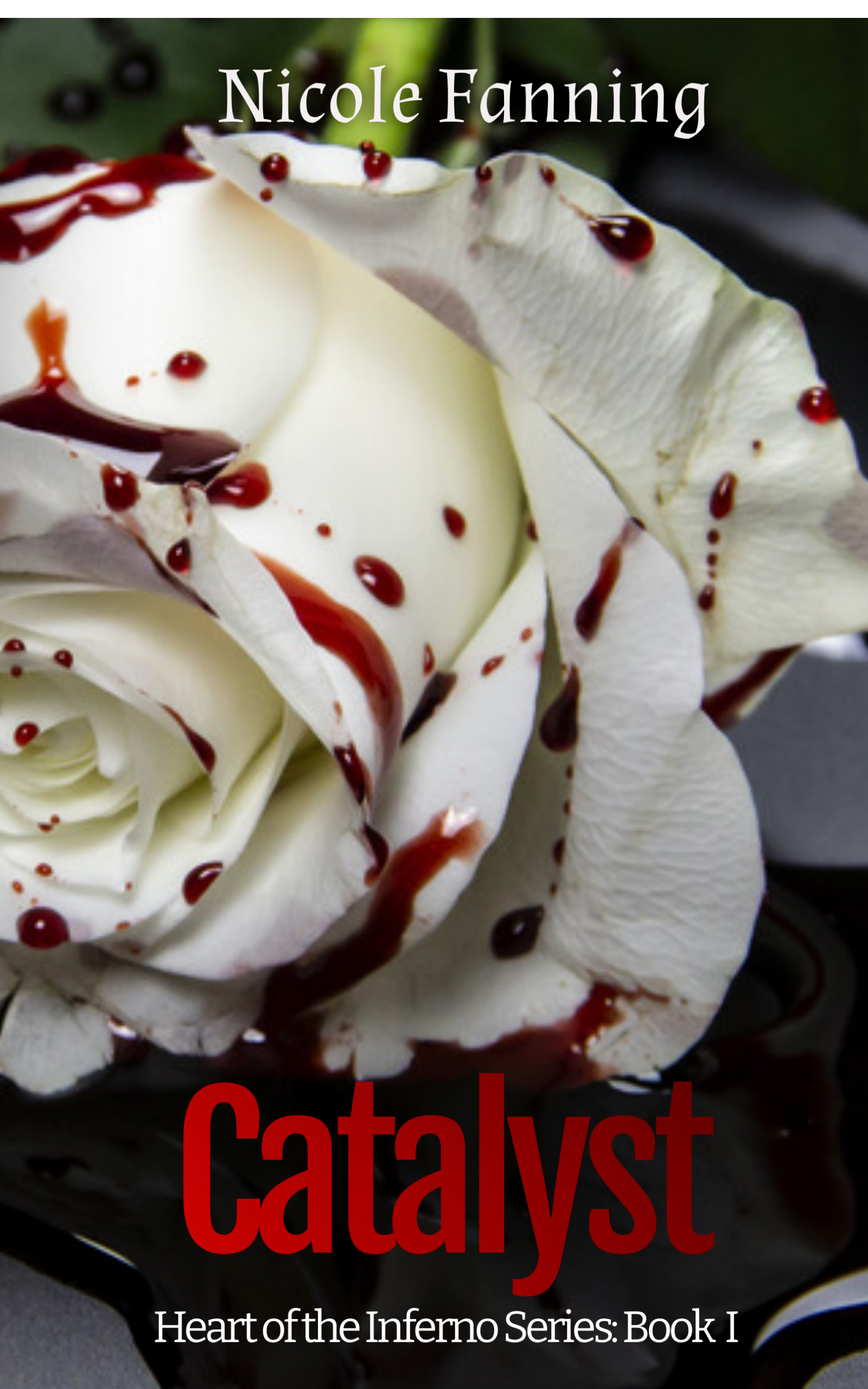
Nicole is a smitten wife and super proud dog mom to three rambunctious rescue dogs. She is an old school romantic, with a proclivity for a little mischief, and an obsession with Sir Arthur Conan Doyle. Her debut novel, Catalyst, is the first incendiary installment of the Heart of the Inferno Series, which follows the story of a dangerous mafia don and the girl who became his only exception.

Marina Raydun: I've written a novel in two parts before but never a trilogy. How does the process work for you: do you conceptualize the entire novel ahead of time, or do you craft one installment at a time?

Nicole Fanning: Yes, Catalyst, Ignite, and Flashpoint I wrote out the entire plot, for each chapter, in all three books, before I ever allowed myself to write a single word of the actual manuscript.

MR: When did you first begin writing? What made you want to become a storyteller? 

NF: I was ten when I started writing. At the time I was in love with The A-Team, and even though the show had gone off the air before I was born, I used to write my own new episode ideas and give them to my mother to send in to the producers.

In regards to the Heart of the Inferno Series, and Catalyst, I've had this idea for several years, but never really had the time to write it out. Then came the Pandemic, and suddenly all I had was time. It ended up being a blessing because it reminded me how much I enjoyed it, and I just hoped to bring a bit of needed escapism to my readers as well.

MR: What is your favorite underappreciated novel? 

NF: I am a big fan of Chuck Palahniuk's "Choke."

MR: What does literary success look like to you?
NF: When my fans reach out to me to tell me that my books gave them a book hangover or touched them in beautifully inexplicable ways.

MR: What’s the most difficult part about writing characters from the opposite sex?

NF: I think transitioning your point of view from one to the other, especially in back-to-back chapters, can be a bit challenging at times.

In Catalyst, my female main character, Natalie, is this sweet-yet-feisty all-American nurse, who is content with living a simple life. Jaxon, on the other hand, is a playboy-billionaire-alphahole, who has lived a life of entitlement and violence as the head of a dangerous underground mafia.

They have such different thought processes and personalities that sometimes I will write several chapters from one perspective and then go back and write the counterpart chapters in the other perspective to stay in the right frame of mind.

MR: How did publishing your first book change your writing process?
NF: I learned how important it is to have the right team around you. When I published Catalyst in April, my social media presence was practically non-existent. I had to accept that finding and growing my following wouldn't happen overnight. Thankfully, I have been very fortunate to have developed such an incredibly enthusiastic fanbase as well as a phenomenal team of internal support.

MR: Is there one topic you would never write about as an author? Why?
NF: The death of a pet. Since their lives are so short in reality, they at least get to live forever in my books.

MR: What are you currently reading?

NF: Because I am currently deep in the trenches of writing Flash Point, which is the third book in the trilogy, the only books I am allowing myself to read are Catalyst and Ignite in an effort to stay in the right headspace. 

But I do have an extensive TBR List that is waiting for me when I finish!

MR: What do you think about when you’re alone in your car?

NF: The last chapter I wrote, and the one I am currently writing. I love to listen to my playlist and just get lost in the story I'm crafting.
MR: Is there a book that people might be surprised to learn you love?

NF: "I Hope They Serve Beer in Hell" by Tucker Max

Find Nicole Fanning’s books here: Nicole Fanning on Amazon

Author Interview Series-Marie Shantie

Marie Shantie

Like my heroine, I was born and raised in the Soviet Union and immigrated to the United States in the late 1990s. I received my higher education in San Marcos, California and then obtained masters & license in mental health in New York. I am a practicing licensed psychotherapist, and I worked with people with mental illnesses as well as with drug and alcohol addicted patients for many years.

Therefore, one of my tasks, already as a writer, was to more deeply reveal the problem of addiction and, possibly, influence the stigma about people who could not cope with life's difficulties, did not find internal and external support, and therefore turned to drugs. 

Although the novella is not autobiographical, some of the events described could have actually happened. Which ones - let it remain mystery.

Marina Raydun: You are bilingual. Which language do you find easier for creative storytelling?

Marie Shantie: I would say Russian as I moved from Russia to USA when I was 17-18 y.o., so I attended middle & high school in Russia.

MR: What is the first experience you had when you learned that language had power? 

MS: As a child I read this old good story in Russian about the power of punctuation called “Казнить нельзя помиловать”. Made a huge impression on me.
MR: Your novella deals with some hefty, emotional scenarios. Can you talk a little bit about your inspiration or motivation for writing this piece? 

MS: My inspiration to write it was driven by a person whom I lost in my life & who meant a lot to me. Before he died, I promised him that I’d go get my degree & license in mental health & substance abuse & dependency because I wanted to be able to understand & help people who are addicted like he was. I made this promise, then I went & got my degree, but before I did, he died. I continued. I thought, if I can help one person in my life, I’d feel justified to have my career. Then I got my degree & my license, but he was already dead & I talked about him a lot in my practice, in outpatient substance abuse groups which I ran & told people who had addiction issues about him, but it didn’t feel enough. So, I felt a calling to write about it. After I wrote about it, I felt relief. Like I told his story-now I am ok. 

Now there were other emotional scenarios dealing with another character (main character). That was inspired by other close people in my life who had to deal with crazy 90’s criminal Russia.  

MR: What sort of research went into it?

MS: The research that went into this was my masters degree, my license, my certification (Credentialed Alcoholism and Substance Abuse Counselor) & many years (about 8 before I wrote the book) working with mentally ill and people affected by addiction. Also, the research that went into writing about parts that took place in Russia came from my own experience. 

MR: Why did you choose to write this novella in Russian as opposed to English?

MS: Russian is my native language & the majority of story line took place in Russia with combined real characters.

MR: What’s the most difficult part about writing characters from the opposite sex?

MS: I wrote the story about two characters. One is of my own sex, the other is of opposite. I think the hardest part about writing about the opposite sex is that it is written about the real character who died in real life and me having to face this character’s mother reading it. 

MR: What was the hardest scene to write? 

MS: The second main character’s story because it is still very emotional for me-he died in real life & the way he died in real life.

MR: What is your favorite genre to read? 

MS: Satire. 

MR: What are you currently reading?

MS: Rereading Gogol “Dead souls”.

MR: If you could have drinks with any person, living or dead, who would it be? 

MS: Gogol!!

MR: Why? 

MS: I was always fascinated by his works and his character. He supposedly was buried alive. 

MR: What other authors are you friends with, and how do they help you become a better writer?

MS: I don’t have any authors’ friends (yet), but would love to. 

To learn more about Marie, please visit her website: https://www.shantie.art/

Author Interview-Terry Shepherd

Terry Shepherd

October is my favorite month. It’s my birthday month, it features my absolute favorite weather, and it’s Halloween! So, of course, time gets away from me this time of year. Therefore, instead of our regular Author Interview, we’re trying something new this month. Here is an author feature. Let us know what you think!

Terry Shepherd came late to fiction. An Ann Arbor, Michigan native, Terry’s incarnations include a broadcaster, corporate executive and entrepreneur, authoring four non-fiction self-help books before writing CHASING VEGA, his first thriller, in 2020. Vega spawned the holiday short story CHASING CODY and this summer's second long-form outing for Shepherd's protagonist, Jessica Ramirez, CHASING THE CAPTAIN.

"I always wanted to be a fighter pilot," Shepherd says. "But I didn't want to subject a young family to a lot of moves. Corporate life ended up moving us around anyway and it wasn't until we decided to re-root near our kids in Florida that I thought of giving up the corporate grind for writing full time.”

Terry says this, pondering the horizon from the 12th floor balcony of a condo on the Atlantic Ocean at Jacksonville Beach. “ My wife, Colleen loves the sunrises and the views are breathtaking. But I'm just as happy locked away in my home office at our apartment in town.” 

It seems that after a lifetime of extroversion, Terry Shepherd has allowed his introvert to emerge. "You figure out what you need to do feed your family," he says. "For me, that meant creating a charismatic personality and learning how to lead. I saw that the bosses got the bucks for taking risks. I decided I'd rather be shot out of the saddle leading the way than get shot as someone else's horse.”

 Terry offers a cocktail, refilling his own glass with Coca Cola. "I limit my intake," he jokes. "My brain is already running at maximum warp and doesn’t need much stimulation." He motions to one of two rocking chairs on the balcony. The waves are relatively calm today and there's a sea breeze that mitigates the Florida heat.

Q: In a profession where you could live anywhere, why choose Florida?

Terry: Jacksonville was our longest stop during my corporate career. Our kids graduated from high school here and put down roots. When you get to be our age (Terry turns 67 in January), proximity to your grandkids is the primary driver. They are ten minutes away and we love being able to help out whenever their parents need us.

Q: Why fiction? 

Terry: I had a painful departure from my last corporate experience that triggered the clinical depression gene that's common in many families like ours. I thought that my contributions to the world were over and I would become a hinderance instead of a contributor. As you enter life's home stretch, you know people who are stuck with bodies and minds that no longer serve them. I've always felt that when I saw that coming, I would rather hasten my exit than be a burden to my family. The darkness that depression injected into the proceedings made me believe that moment of decision had arrived.

Terry runs an index finger across the tiny semicolon tattoo on his left wrist, a symbol of mental health awareness and how someone has made the decision to write another life chapter, rather than put a period on existence. In the space of ten months, he lost both his 92 year-old father and his only sibling, a younger sister who ended her life in 2020, shortly before CHASING VEGA was published.

Q: What made you decide to keep going?

Terry: My wife is a two-time ovarian cancer survivor and taught me a lot about facing a monster with both grace and determination. She’s my defintion of a true heroine. And we know a lot more about depression now than we did when I was having panic attacks in junior high. I have a gifted psychiatrist who helped me understand that in my case, it's a brain chemistry thing and that I would need a combination of effective meds and the will to heal. Part of healing was finding a way to keep contributing and writing about the same diverse cast of characters I loved surrounding myself with on the teams I've led seemed like a possible path forward.

Q: You've had some major business successes. How did you apply those learnings to this new profession? 

Terry: I always look for the best people and ask them how they did it. So I made a list of successful authors I liked and reached out to them. To a person, they responded and have been incredibly helpful in guiding me as I learn The Craft.

Q: What were some of the gems of wisdom they shared?

Terry: Write every day. It's a profession. Writer's block isn't allowed in the rest of the world and you have to learn how to keep the content moving forward even on days when the muse isn't singing. There are rules. But aside from good grammar and the ability to tell a story, everything else is up for grabs. Write what you love. Keep learning and growing and eventually, you'll find an audience. 

Q: Has Jessica Ramirez found hers?

Terry: I think she's slowly finding it. Having a white guy write her stories probably doesn't help. But she's about as authentic as they come and once people spend some time with her, they fall in love with her.

Q: You've said you write for diverse casts on purpose. Few of your characters look like you. Your stars include minorities, LGBTQ, a medical examiner who is on the autism spectrum and an MI6 Director who is in a wheel chair. How do you create an authentic cast?

 Terry: Immersive research. I have very close friends who live those lives and I've walked with them as they navigate a world that doesn't always accept them. They have been wonderfully candid about their experiences and witnessing them make their way has given me a special empathy for the unique challenges every individual faces.

Q: In CHASING VEGA, your antagonist is a woman who kills men who have evaded justice. What makes a good adversary?

Terry: I love villains who do the wrong things for the right reasons. That's not the case in CHASING THE CAPTAIN. The bad guy has zero redeeming qualities. As a reader, I enjoy the extra tension I feel when you can understand why the person does what they do.

Q: We've rarely seen Jess and Ali at work in their home base, the fictional college town of Paloma, Illinois. Do great thrillers require a broad stage?

Terry: Not necessarily. Alfred Hitchcock can turn up the tension in a life boat. I like giving my heroines the added obstacle of being a fish out of water and taking Jess away from the town where she grew up does that.

Q: Much of CHASING THE CAPTAIN takes place in the UK. Was that on purpose?

Terry: Absolutely. Before VEGA, I created a Twitter identity for Jess (@DetJessRamirez). She’s very active on that platform and for some reason, she clicked with UK cops.I started getting email asking if I would put Jess on their home turf. That was particularly fun because I got to meet and consult with a number of really gifted law enforcement pros across the pond. They all know that Jess is fictional, but they treat her as if she was a real person.

Q: Authors often say that their characters feel real.

Terry: Oh, Jess and Ali are real to me. If I'm pondering a particular plot point or some dialogue, they both weigh in.

Q: They talk to you?

Terry: Sometimes. When you've spent a lot of time building their backstory and have a binder full of character information for a member of your cast, they become a part of you, at least until you've put a bow on their story. I begin with a general premise and have a notion of how it might end. And then I let the characters take me there, even if "there" ends up being somewhere else.

Q: Do the people on whom you base Jess and Ali ever dispute how you paint them?

Terry: Traci Ruiz, my role model for Jessica, is her real-life incarnation, a 25 year law enforcement veteran. She says I give  Jess too much emotion. Compared to Traci, who is a master at compartmentalizing what happens on the job, Jess is definitely more emotionally driven. But my beta readers like her that way. They want to know whats going on inside her head; the things the people around her might not perceive. Understanding motive is another reason to love or hate a character. If I'm doing it right, they see some of themselves in Jessica Ramirez and can't help but get attached to her.

Q: What about Ali? 

Terry: I know and admire a number of awesome men and women with a same sex preference. Declaring that openly is still a tough thing to do and requires a ton of courage that most of us couldn't muster. The highest compliment I get is when one of my friends accuses me of basing Alexandra completely on her personality. 

Q: What do you hope readers take away from a Jessica Ramirez Thriller?

Terry: Beyond enjoying a few hours of escape from reality, I hope that the people who share traits with one of the cast members might be inspired to believe that they could be heroes and heroines, too. When a young person tells me that she is thinking of becoming a cop because she admires Jess and Ali, that makes my day.

Q: Has writing helped you heal?

Terry: Not just the writing. The best thing about the thriller and mystery space is that there is much more demand for great content than any one person can create. We're not competitors and the community is very supportive and close. Writing is a tool to apply a magnifying glass on your own adventures and we all end up writing something autobiographical at some point. But the friends I've made as a writer have made a huge difference. We realize we're all in this together and try to help each other navigate the maze from ideation to publication. That often spills into life itself. We're put on this planet to help make it better and the most important daily metric for me has always been how I've helped someone else.

Q: Are you ever afraid you'll run out of ideas? 

Terry: All the time. Each day is another blank screen that needs to be populated with words that attract an audience. And the fear that our most recent book will be the last one anybody buys seems to be nearly universal.

Q: But you keep at it anyway?

Terry: While holding that finished product in your hands often feels like that first moment with your newborn, the adventure happens during the journey of creation. The classic chestnut, "It's not the destination. It's the journey." is very true. When I reread CHASING VEGA, I think about all the people I met during it's creation and am excited to start another chapter. Once a story is told, I can't wait to discover another one to tell.

Terry Shepherd writes thrillers for grown-ups and is the author of JULIETTE AND THE MYSTERY BUG, a book that helps kids stay safe in a Covid-19 world. His website is TerryShepherd.com.

To learn more about Terry, please visit the following:
TerryShepherd.com 

Facebook.com/TerryShepherdWrites

Twtitter.com/TheTShepherd